Fire Damage Cleanup: A Complete Guide to Restoring Your Property Safely
Fire damage can quickly become a serious problem in Boise, where dry summers and changing weather heighten fire risks. After a fire, your property faces tough challenges beyond the visible flames—smoke and soot can deeply settle, water from firefighting may cause hidden damage, and structures can become unsafe. For Boise residents, dealing with these after-effects safely and efficiently is critical to protect your home and health.
Fire damage cleanup in Boise requires careful steps to restore safety and comfort. This guide breaks down the cleanup process from start to finish, helping you understand how to protect yourself, document damage for insurance, and begin repairs. With this knowledge, you’ll be ready to restore your Boise property confidently and avoid common hazards during recovery.
Key Takeaways
- Fire damage cleanup in Boise can be tricky because fire, smoke, soot, and water all cause different problems that need careful handling.
- Before starting cleanup, always wait for fire officials to say it’s safe, and wear protective gear to avoid injury or health risks.
- It’s important to document damage well with photos and videos to help with insurance claims and decide what can be saved or needs tossing.
- Water removal, drying, soot cleaning, and odor removal need the right tools and techniques to prevent mold and get your home back to normal.
- When damage is big or complicated, it’s smart to call professionals like Pursuit Restoration, who know how to clean up safely and help with repairs and insurance.
Step 1: Ensure Safety Before Entering the Property
Before stepping inside a fire-damaged property in Boise, wait for the official all-clear from local fire authorities. Fire scenes can hide dangers like weakened floors, unstable ceilings, and toxic residues from burned materials.
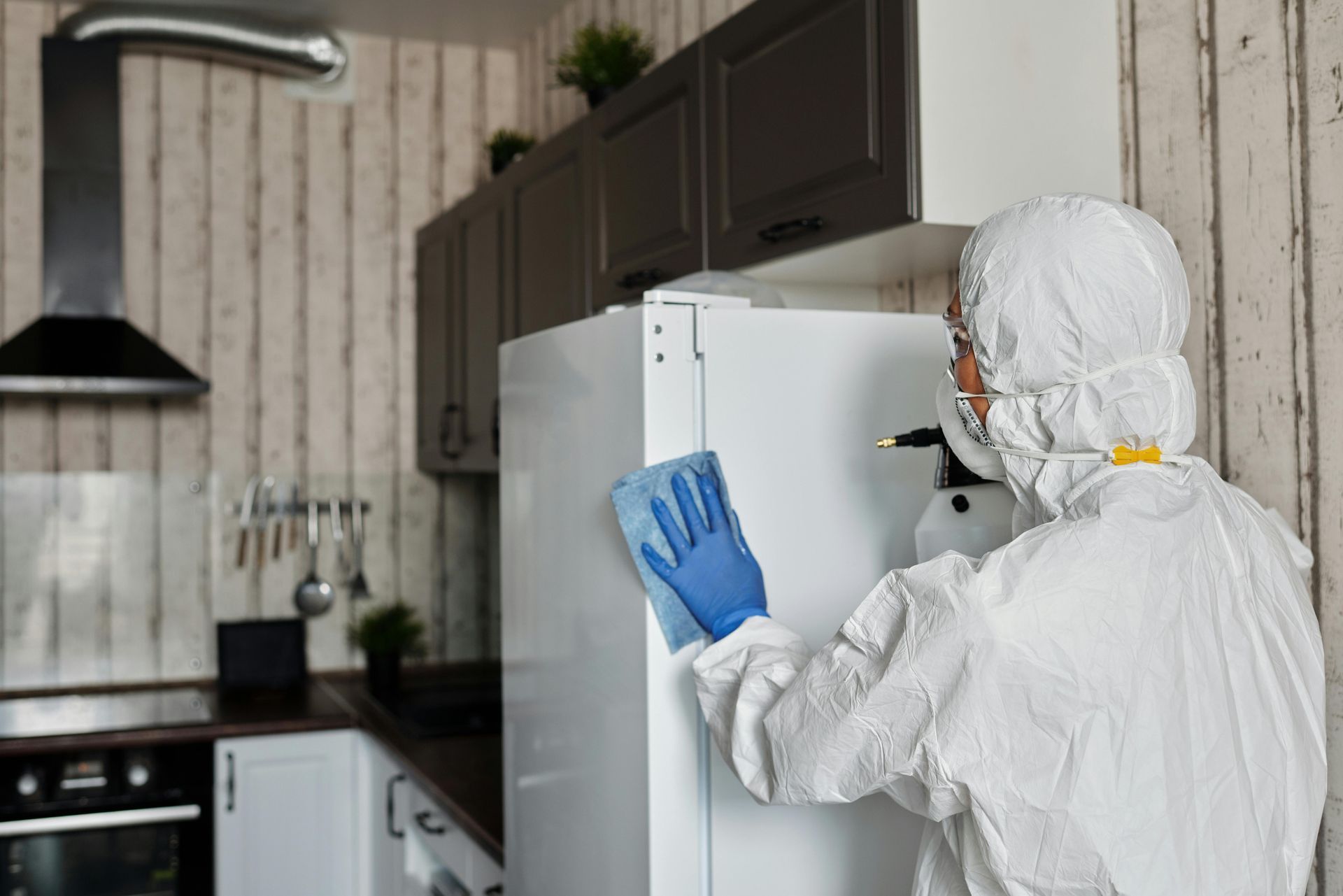
Start by wearing protective gear such as masks and gloves to avoid inhaling smoke particles and touching hazardous debris. Make sure all utilities—gas, electricity, and water—are shut off to prevent risks of electrocution or leaks.
Being cautious at this stage safeguards your health and sets the foundation for safe cleanup. Never rush entry before conditions are confirmed safe by professionals.
Step 2: Assessment of Fire, Smoke, and Water Damage
After ensuring safety, carefully inspect your Boise property to assess the full extent of damage. Check for burned areas, structural damage, and water effects caused by firefighting efforts. Smoke and soot can spread far beyond visible fire spots, often contaminating walls, ceilings, and HVAC systems.
Take clear photos and videos of all affected areas and items. This documentation plays a key role in filing fire damage insurance claims.
Next, evaluate which belongings and materials can be saved and which must be discarded. Sorting these early on helps prioritize cleanup and restoration efforts.
Step 3: Securing the Property and Debris Removal
Once you’ve assessed the damage, the next priority is securing your Boise property to protect it from weather, theft, and further harm. Boarding up broken windows and doors and placing tarps on damaged roofs prevent rain or wind from worsening the condition inside. Maintaining site security also keeps unwanted visitors out and ensures a safer cleanup environment.
Clearing debris is equally important. Removing hazardous materials and burned items helps reduce risks during restoration. It’s crucial to separate items that can be restored from those beyond saving to keep the area organized and manageable.
Here are key steps to secure and clear your property:
- Board up broken windows and doors. This shields your home from weather damage and deters trespassers.
- Cover damaged roofs with tarps. Protecting your roof limits water intrusion and structural weakening.
- Remove hazardous debris carefully. Items like charred wood and chemicals can pose health risks and must be handled safely.
- Sort debris into salvageable and unsalvageable. This makes restoration work more efficient and focused.
- Ensure site security throughout cleanup. Protect your property and workers by monitoring the area or using security measures.
Step 4: Water Removal and Drying
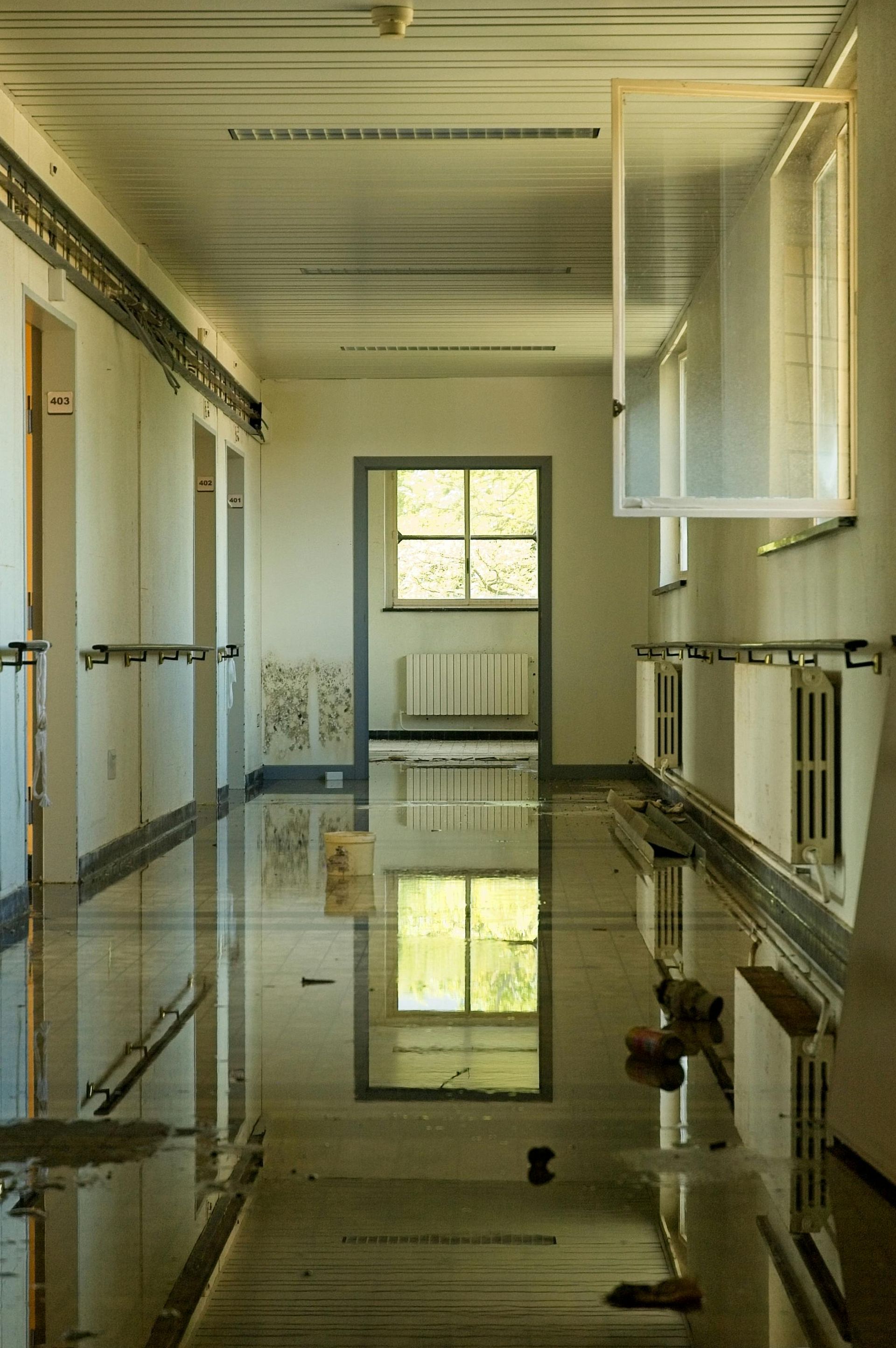
Firefighting efforts often leave behind significant water damage that can cause further issues if not addressed quickly. Standing water can soak into floors, walls, and belongings, creating an environment where mold and mildew thrive. Removing water and drying affected areas promptly is crucial to prevent these secondary damages.
Using pumps and wet vacuums helps extract standing water efficiently. Afterward, drying techniques like industrial fans and dehumidifiers reduce moisture levels deep within materials to stop mold growth from starting.
Key actions for effective water removal and drying include:
- Use pumps or wet vacuums to remove all standing water. This minimizes ongoing water damage.
- Deploy industrial fans to circulate air and speed evaporation. Air movement reduces dampness inside walls and flooring.
- Run dehumidifiers to pull moisture out of the air. Lower humidity is essential for thorough drying.
- Monitor moisture levels regularly. Tracking progress ensures no areas remain damp where mold could grow.
Step 5: Soot and Smoke Cleanup
Soot and smoke residues are some of the toughest parts of fire damage to clean. They cling to surfaces, penetrate porous materials, and leave behind unpleasant, persistent odors. Proper cleaning techniques and products are essential to restore your Boise property and make the air safe to breathe again.
Start by vacuuming soot from surfaces with a vacuum equipped with a HEPA filter to reduce airborne particles. Use chemical sponges and specialized cleaners designed for soot removal to gently cleanse walls, ceilings, and furniture without spreading the residue.
Removing smoke odor requires targeted treatments. Thermal fogging recreates smoke conditions to bind and neutralize odors, while ozone treatments and activated charcoal absorb and eliminate trapped smells effectively. Don't forget HVAC duct cleaning, as smoke residues in ventilation systems can keep odors circulating long after cleaning begins.
Important soot and smoke cleanup steps include:
- Vacuum all soot-covered surfaces using a HEPA-filter vacuum. This reduces airborne soot particles safely.
- Clean surfaces with chemical sponges and special soot cleaners. Proper products avoid further smearing soot.
- Use thermal fogging to neutralize embedded smoke odors. This treatment reaches deep into porous materials.
- Apply ozone treatment or activated charcoal. Both absorb and break down stubborn smoke smells.
- Clean HVAC ducts to remove smoke residue. Ventilation system cleaning prevents odor recirculation.
Step 6: Cleaning, Disinfecting, and Mold Prevention
After removing soot and smoke residues, the next essential step is thorough cleaning and disinfecting to remove toxic residues and stop mold growth. Fire-related water damage creates ideal conditions for mold and bacterial growth, which can pose health risks and damage your Boise property further.
Sanitizing surfaces with appropriate disinfectants removes germs and contaminants left behind by fire and water. When water damage is present, applying antimicrobial agents helps prevent mold spores from taking hold and spreading.
It's important to dispose of materials that are too damaged or contaminated to restore safely. Removing these prevents further contamination and creates a healthier environment for restoration.
Steps to clean and prevent mold include:
- Sanitize all surfaces with disinfectants. This protects against bacteria and toxic residues.
- Apply antimicrobial treatments where water damage exists. These stop mold and microbial growth early.
- Dispose of severely damaged and contaminated materials. Removing them reduces health risks and cleanup burden.
- Keep the area well-ventilated during and after cleaning. Fresh air helps dry spaces and limits mold development.
- Monitor for signs of mold after cleanup. Early detection allows quick treatment to avoid costly repairs.
Step 7: Repair and Restoration
After thorough cleaning and mold prevention, rebuilding your Boise property begins with repairing damaged structural elements. This includes replacing drywall, flooring, roofing, and repairing electrical and plumbing systems damaged by fire and water. Careful attention to these repairs ensures your home’s safety and functionality.
Next, restore or replace furniture, fixtures, and personal belongings that were salvageable. This step brings your space back to a comfortable, usable condition. Finally, add finishing touches such as painting walls and installing new flooring to complete the restoration process and refresh your home’s appearance.
Important tasks in repair and restoration include:
- Replace or repair damaged drywall, flooring, and roofing. Structural repairs are critical to safety.
- Restore electrical and plumbing systems to code. Functioning utilities are essential for habitability.
- Clean, repair, or replace furniture and fixtures as needed. Focus on items that add comfort and style.
- Paint walls and install new flooring. These finishing touches renew appearance and protect surfaces.
- Inspect all repairs thoroughly. Quality checks prevent future issues and ensure lasting restoration.
Step 8: When to Hire Professional Fire Damage Restoration Services
Fire damage cleanup is a complex and hazardous process that often requires professional expertise to ensure safety and thoroughness. Experienced restoration companies in Boise, like Pursuit Restoration, bring specialized equipment, training, and knowledge to handle smoke, soot, water damage, and structural repairs effectively. Hiring professionals also helps with navigating insurance claims and guarantees work is done to code.
Consider calling Pursuit Restoration or another reputable company if the damage is extensive or involves hazards. Their skills reduce risks, speed up recovery, and provide peace of mind that the cleanup is complete.
Here are signs it’s time to hire experts:
- Structural damage or safety issues require professional assessment and repair.
- Heavy smoke, soot, and odors affect large areas that need specialized cleaning.
- Significant water damage calls for industrial-grade drying equipment.
- You want help documenting and filing fire damage insurance claims.
- Lack of time, tools, or experience makes thorough cleanup difficult.
Pursuit Restoration is recognized for their thorough approach and commitment to safety and customer care, making them a strong choice for Boise fire damage restoration.
Moving Forward After Fire Damage With Confidence
Recovering from fire damage is a challenging process, but knowing the right steps can make all the difference. From ensuring safety and assessing damage to thorough cleaning and repairs, each stage helps restore your Boise property safely and effectively. Remember, taking your time to document losses, remove hazards, and prevent mold protects your home and health during cleanup.
If the cleanup feels overwhelming or the damage is extensive, don’t hesitate to call in professionals like Pursuit Restoration. Their expertise and equipment provide peace of mind and a smoother path to getting your home back to normal. By following these guidelines, you can move forward confidently on the road to recovery.
Get Expert Help With Your Fire Damage Cleanup
When fire damage strikes, having the right professionals on your side makes all the difference. Pursuit Restoration offers trusted, thorough fire damage cleanup and restoration services in Boise. Whether you need help assessing damage, removing soot and water, or completing repairs, their skilled team is ready to support you every step of the way.
Don’t wait.
Schedule a service online today or call
(208) 515-6503 to learn more about how Pursuit Restoration can help bring your home back to life quickly and safely.